
How We Diagnose Long COVID
Understanding and Treating the Root Mechanisms of Long COVID

You've Been Told Your Tests Are Normal
You’ve seen multiple specialists. Your bloodwork came back normal. Your CT scan shows nothing out of the ordinary. Your chest X-ray is clear. Your EKG looks fine.
You’ve been told what you’re feeling is anxiety, or don’t worry about it.
But the fatigue has NOT improved. Brain fog persists. Your heart races when you stand up. You can’t exercise without triggering a crash. And no one can explain why.
Standard tests look for acute infection, structural organ damage, and active disease. When those tests are normal, you’re told everything is fine.
Long COVID isn’t mysterious. Its SIX interconnected biological mechanisms disrupting multiple systems at the same time.
The Six-Mechanism Framework: Why Long COVID Affects Multiple Systems
Long COVID doesn’t manifest the same way for every patient. You might have severe fatigue and brain fog while another patient has heart palpitations and digestive issues. And yet a third patient might have exercise intolerance and temperature dysregulation. Same viral infection, completely different symptom profiles.
This variability isn’t random. It reflects six underlying mechanisms. Think of Long COVID like a multi-car pileup. The initial collision is the same, but each vehicle sustains a different form of damage depending on its position, speed, and structure. Some cars have front-end damage, others have side impact injuries, and some experience primarily mechanical failures.
Similarly, Long COVID triggers the same six mechanisms in different proportions, creating a unique “fingerprint” of dysfunction in each patient.
The six mechanisms are:
-
Dysautonomia: Autonomic nervous system dysfunction creating imbalance between sympathetic (fight or flight) and parasympathetic (rest and digest) systems
-
Mitochondrial Dysfunction Impaired energy production at the cellular level from direct viral damage to the powerhouses of your cells
-
Endothelial Damage & Microclots Blood vessel lining damage and microscopic clots restricting oxygen delivery throughout the body
-
Gut Dysbiosis & Leaky Gut Microbiome imbalance and compromised intestinal barrier function affecting digestion, immunity, and systemic inflammation
-
Hormone Imbalance Disruption of sex hormones, thyroid function, and cortisol regulation affecting energy, mood, and metabolic function
-
MCAS & Excess Histamine Mast cell activation syndrome and histamine intolerance driving allergic-type reactions and inflammatory responses
Understanding these interconnections is essential for effective treatment because addressing one mechanism in isolation often provides minimal improvement since the remaining mechanisms continue driving symptoms.
Understanding Each Mechanism
Dr. Groysman has created a systematic approach to use mechanisms instead of just symptoms to evaluate what is going on inside your body from Long COVID. Dr. Groysman realized early on that not only Long COVID is caused by multiple mechanisms at the same time (which has since been confirmed by 2 independent studies), but also that each symptom could be caused by more than one mechanism. He treats the mechanisms and stops the self sustaining loops created in Long COVID instead of chasing each symptom. This in turn, resolves all of the symptoms caused by that particular mechanism.
Long COVID is NOT caused by one problem such as viral persistence or spike protein, but is instead caused by up to 6 primary root mechanisms that also support and make each other worse. COVID vaccine injuries also cause symptoms using similar mechanisms.
Long COVID can be caused by several other primary mechanisms in a small minority of patients, however, the majority of Long COVID sufferers have one or more of these 6 primary mechanisms causing their Long COVID.
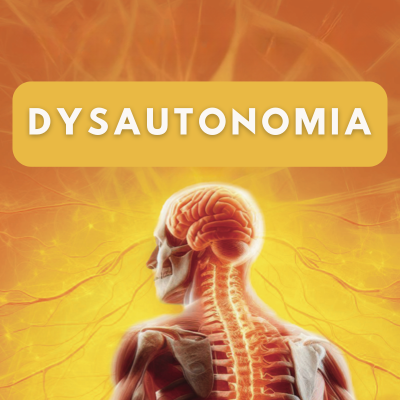
Dysautonomia: When Your Nervous System Won't Reset
Dysautonomia controls involuntary functions like heart rate, blood pressure, digestion, and temperature regulation. You don’t have to think about making your heart beat or digesting food, your autonomic nervous system handles this automatically.
In Long COVID, the sympathetic nervous system often remains hyperactive, keeping your body in a constant state of stress.
This sympathetic hyperactivity drives multiple symptoms including heart rate spikes (tachycardia). Blood pressure fluctuations. Temperature dysregulation. Digestive issues. Sleep disturbances.
This explains why Long COVID symptoms affect cardiac, neurological, and gastrointestinal systems simultaneously—the underlying dysregulation is systemic, not isolated to one organ.
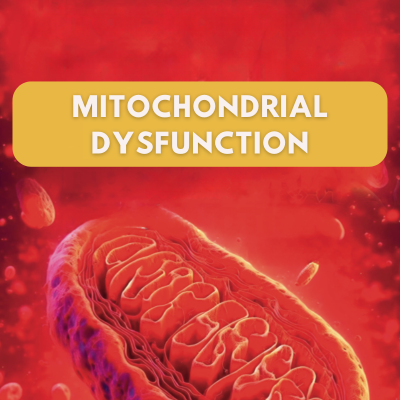
Mitochondrial Dysfunction: When Your Cellular Powerhouses Fail
Imagine a city during a blackout. The lights flicker out, trains stall, and everything slows to a crawl. That’s what happens inside your body when mitochondria stop working properly.
Energy deficits from mitochondrial dysfunction cause fatigue, muscle weakness, and exercise intolerance that standard rest doesn’t improve.
Damaged mitochondria can’t signal for proper cell death, a process called apoptosis. These dysfunctional cells stick around, consuming energy like a christmas tree and become metabolic burdens.
The problem is standard testing doesn’t evaluate if you have adequate mitochondrial function, or whether cells throughout your body can actually use the oxygen being delivered.
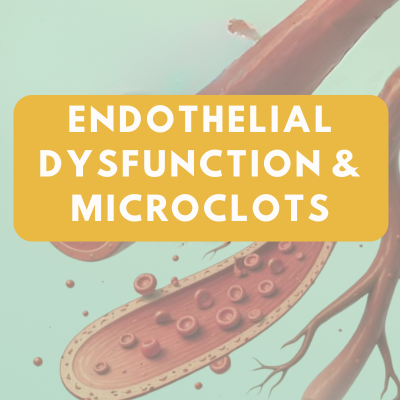
Endothelial Damage & Microclots: When Blood Flow Becomes Impaired
Endothelial dysfunction is damage to the inner lining of blood vessels, the endothelium. Microclots are microscopic clots that form when the damaged endothelium triggers excessive clotting activity.
Both impair oxygen and nutrient delivery throughout your body, causing symptoms which seem unrelated to circulation.
For example, limited oxygen delivery can worsen brain fog, intensifying fatigue, and trigger exercise intolerance.
Unfortunately, most testing doesn’t identify microclots or assess endothelial function.
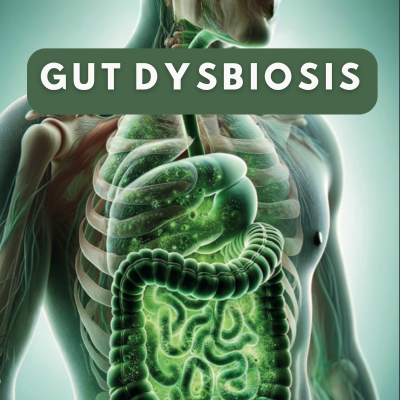
Gut Dysbiosis & Leaky Gut: When Your Digestive Barrier Fails
Think of your gut like a garden. In a healthy garden, beneficial plants thrive and crowd out weeds. In dysbiosis, the weeds take over.
Leaky gut, also known as increased intestinal permeability, happens when the protective gut barrier becomes too porous. Your gut lining is only one cell thick, but it can keep harmful substances out. When this barrier breakdown, toxins, bacteria, and food particles “leak” into your bloodstream.
Gut dysbiosis drives bloating, gas, and food sensitivities because harmful bacteria increase and thrive. You might feel worse after eating, especially high-fat or high-fiber foods.
The gut produces 90-95% of your body’s serotonin, and when dysbiosis disrupts this production, anxiety, depression, and sleep disturbances become part of everyday life.
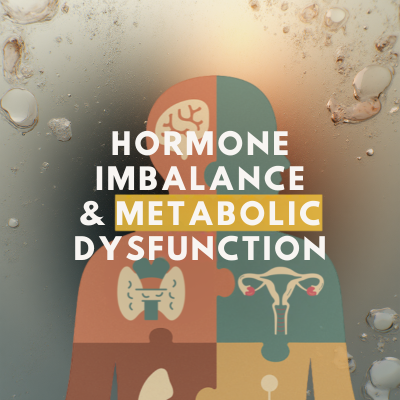
Hormone Imbalance: When Your Endocrine System Dysregulates
Hormone imbalance in Long COVID can include multiple hormone systems, sex hormones (estrogen, progesterone, testosterone), thyroid hormones, and cortisol.
Chronic stress, inflammation, and viral infection take an impact on multiple hormone systems (sex hormones, thyroid hormones, cortisol) and throw your hormone control center out of whack.
Many women with Long COVID experience menstrual irregularities, or even early onset menopause and report feeling “wired and tired” or exhausted but unable to sleep.
Estrogen imbalance contributes to muscle weakness, reduced exercise tolerance, persistent fatigue, and loss of motivation or drive.
MCAS & Excess Histamine: When Your Immune System Overreacts
In MCAS, the body is sounding the alarm constantly, flooding your system with histamine and inflammatory compounds in response to triggers that shouldn’t provoke reactions.
Histamine intolerance develops when your body can’t break down histamine efficiently, either because mast cells are releasing too much or because the enzymes degrading histamine (DAO and HNMT) aren’t functioning properly.
Many Long COVID patients report symptoms worsening with heat, stress, certain foods (especially histamine-rich foods like aged cheese, fermented foods, and alcohol), exercise, and even emotional stress, which are mast cell triggers.
How Did Dr. Groysman Discover This Approach?
At first, our clinic treated patients by focusing on their symptoms.
But we quickly realized the same symptom could come from any of the six mechanisms.
Fatigue, for instance, might stem from dysautonomia, mitochondrial issues, hormones, or microclots. Unless we identified the actual root cause, treatment would be incomplete or would not work.
By mapping triggers to symptoms, we began to identify the underlying mechanism for an individual patient.
This single shift, from chasing symptoms to tracing mechanisms, changed everything about our treatment protocol.
Identifying Your Mechanism Profile

Depending on your symptoms, we may review…
- Heart rate variability to evaluate autonomic nervous system function, not just whether your heart has structural problems
- Oxidative stress markers and mitochondrial function indicators, not just whether your blood sugar and electrolytes are normal.
- Gut microbiome composition and markers of intestinal permeability, not just whether you have active inflammatory bowel disease.
- Hormone panels that assess optimal levels and diurnal patterns, not just whether you fall within broad reference ranges.
- Mast cell mediators and histamine metabolism, not just whether you have IgE-mediated allergies.
This functional testing helps identify which mechanisms are most disrupted in your case, which give us a roadmap so we can design targeted treatment to address your specific dysfunction profile.
Our Treatment Methods
Mechanism-based treatment aims to restore normal function by addressing the dysregulated biological pathways. Depending on your needs, your custom treatment protocol may include:
- The Stellate Ganglion Block: To interrupt the constant “fight or flight” signaling.
- Vagus nerve stimulation: To help shift your body back toward “rest and digest” mode.
- Epipharyngeal Abrasive Therapy: To address hidden vagus nerve inflammation. (EAT is available at very few clinics in the United States, making this a unique intervention unavailable through conventional medical channels.)
- Anti-oxidants, probiotics, Mitochondrial-enriching nutrients, hormone treatments, custom diet plan, or some combination of the above.

Why This Approach Works
The entire diagnostic framework (bloodwork, imaging, private consultations) are built around detecting problems not recognized using conventional testing. Long COVID isn’t about active infection or structural damage.
It’s functional dysregulation.
When specialist’s tests come back normal, they conclude the organ system is fine, but fail to recognize normal structure doesn’t mean normal function.
This fragmented approach overlooks the interconnections between mechanisms.
Our approach works because it addresses the functional dysregulation driving your symptoms and the interconnections between biological systems.
Long COVID is a systemic condition requiring comprehensive evaluation and multi-mechanism treatment. This isn’t alternative medicine or trial and error.
It’s a systematic methodology developed through treating hundreds of patients, identifying patterns, understanding mechanisms, and documenting what works.
Determining If This Approach Is Right For You
This mechanism-based approach is most appropriate if:
- You’ve been told your tests are normal but you remain symptomatic
- You’ve seen multiple specialists without getting answers
- Symptom management hasn’t provided meaningful improvement
- Your symptoms affect multiple body systems simultaneously
- Standard medicine has labeled your symptoms as anxiety or stress
- You’ve been told “there’s nothing we can do” or “Long COVID just takes time”
This approach is not appropriate if you have acute infection requiring immediate medical attention, if you have unstable medical conditions requiring emergency intervention, or if you’re seeking guarantees about specific outcomes.
To get started…
Step one, is a comprehensive evaluation to determine which mechanisms are causing disruption.
We’ll review your symptom history, evaluate previous testing, discuss which mechanisms are likely driving your symptoms, and determine whether comprehensive evaluation is appropriate.
From this evaluation, we develop a personalized treatment plan targeting your specific mechanism profile.
If you haven’t responded to traditional approaches, or if you’re seeking treatment to address the root cause rather than managing symptoms, schedule a consultation.
We serve patients locally in Texas and internationally through virtual consultations.
Ready to understand what's driving your symptoms?
Contact our clinic or schedule a consultation to determine if comprehensive mechanism-based evaluation is appropriate for your situation.
We accept in-person appointments at our location in Plano, Texas or virtual consultation for international patients.
The information on this page is for educational purposes and does not constitute medical advice. Individual results vary based on mechanism severity, treatment response, and adherence to protocols. Comprehensive evaluation is required to determine appropriate interventions.