
Pacing and Mitochondrial Treatment

Medically reviewed by Dr. Robert Groysman, MD, Diplomate of the American Board of Anesthesiology and the American Board of Pain Medicine | Updated July 2026
Care for fatigue and limited activity tolerance
Care on this page focuses on pacing and individualized mitochondrial support for people with Long COVID who experience limited energy, reduced activity tolerance, or post-exertional symptom worsening.
Dr. Groysman tailors mitochondrial treatment options and pacing strategies to your tolerance and response. The goals are to reduce repeated setbacks and improve sustainable daily function.
You deserve to feel your best.
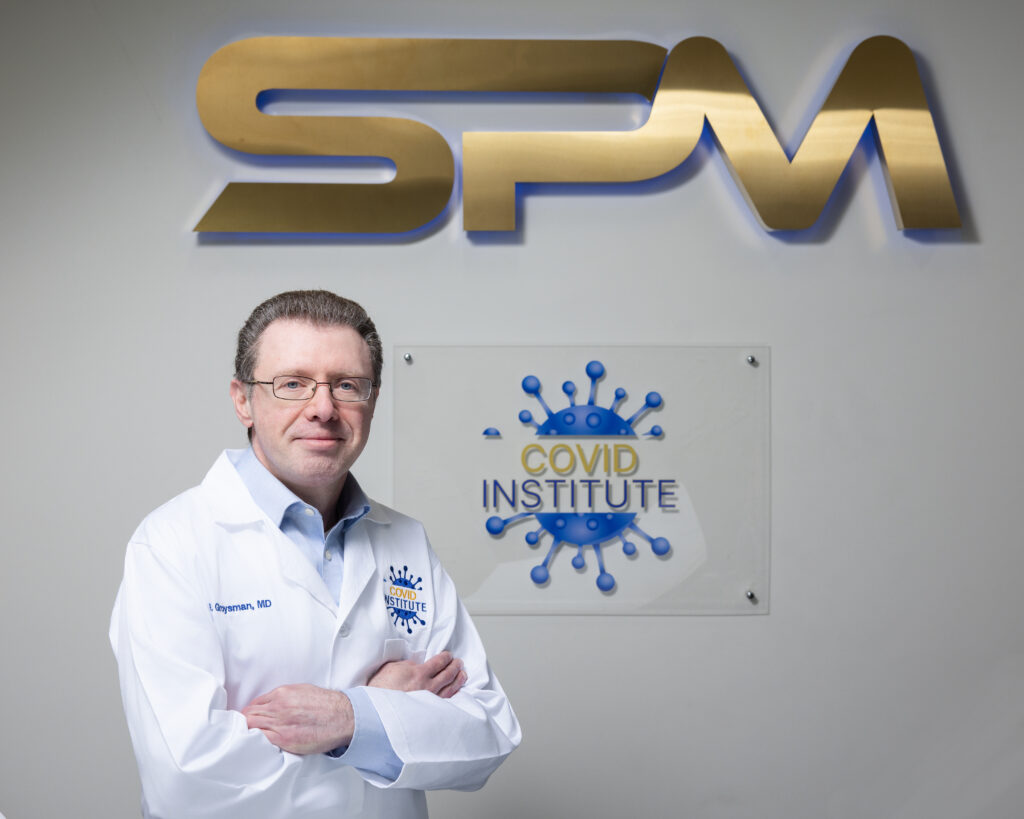
How Does Dr. Groysman Address Mitochondrial Dysfunction?
Dr. Groysman uses his current three-stage, two-step Groysman Method framework to organize pacing and mitochondrial care. Treatment selection and progression are individualized.
The plan is reviewed as your activity tolerance, recovery, and response to treatment change.
Pacing: reducing repeated setbacks
Pacing helps reduce overexertion and repeated post-exertional malaise (PEM) crashes. It is not a proven treatment for repairing existing mitochondrial damage. Its role is to keep activity within your current tolerance and reduce symptom setbacks.
Plan physical and cognitive activity with breaks before reaching your limit, and account for symptoms that appear later. Pushing through crashes or following fixed increases in exercise is not the approach. CDC: pacing and activity management · Learn about PEM.
Mitochondrial treatment: a separate role
Pacing and mitochondrial-directed treatment have different aims. Dr. Groysman considers mitochondrial support alongside pacing when clinically appropriate, with the goal of supporting energy production and daily function. Pacing alone should not be described as repairing mitochondrial dysfunction, and mitochondrial treatment does not guarantee repair.
Selected options may include CoQ10 or L-carnitine when appropriate. The rationale, evidence, interactions, and tolerability are reviewed individually. These are treatment considerations, not a standard supplement stack for everyone.

Treatment goals and follow-up
The goals are practical: better daily function, more manageable symptoms, and fewer setbacks. Follow-up reviews benefits, adverse effects, activity tolerance, and recovery so the plan can be adjusted. Responses vary, and improvement does not by itself prove a particular mechanism.
What to Expect From Us
Pacing plan: Review activity limits, delayed crashes, and recovery to establish a sustainable level of physical and cognitive activity.
Individualized mitochondrial treatment: Discuss suitable options, their rationale, uncertainties, and tolerability.
Follow-up: Monitor activity tolerance, crash frequency, recovery time, and adverse effects. Reassess treatments that are ineffective or poorly tolerated.
Discuss your treatment options
Schedule a consultation with Dr. Groysman to discuss persistent fatigue, activity-related setbacks, and the care options appropriate to your clinical situation.
For background education, visit Groysman Method Learn. General information about individualized Long COVID care is available in the CDC clinical guidance.