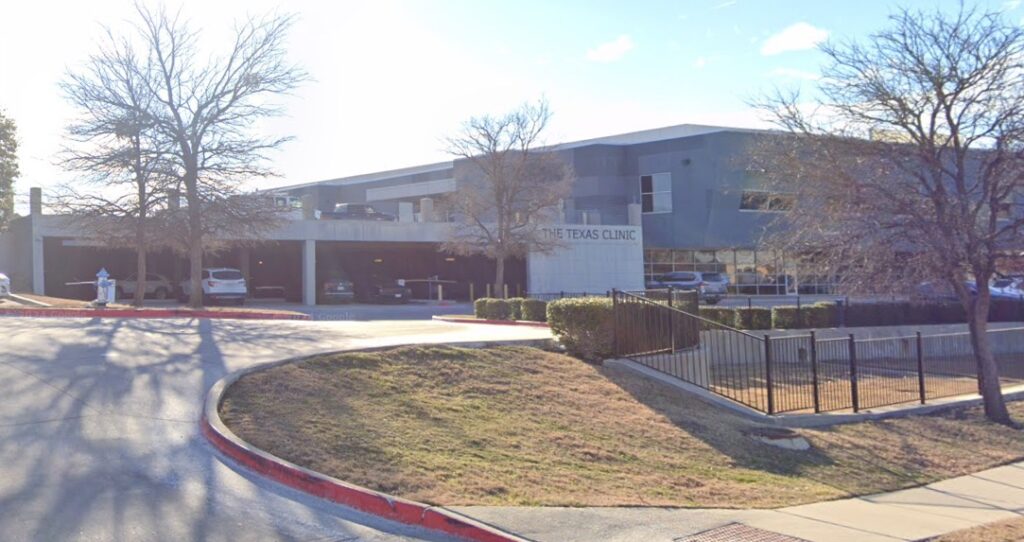
Long COVID Doctor McKinney for Patients in Surrounding Area

Author: Dr. Robert Groysman, MD – Diplomate of the American Board of Anesthesiology, Diplomate of the American Board of Pain Medicine

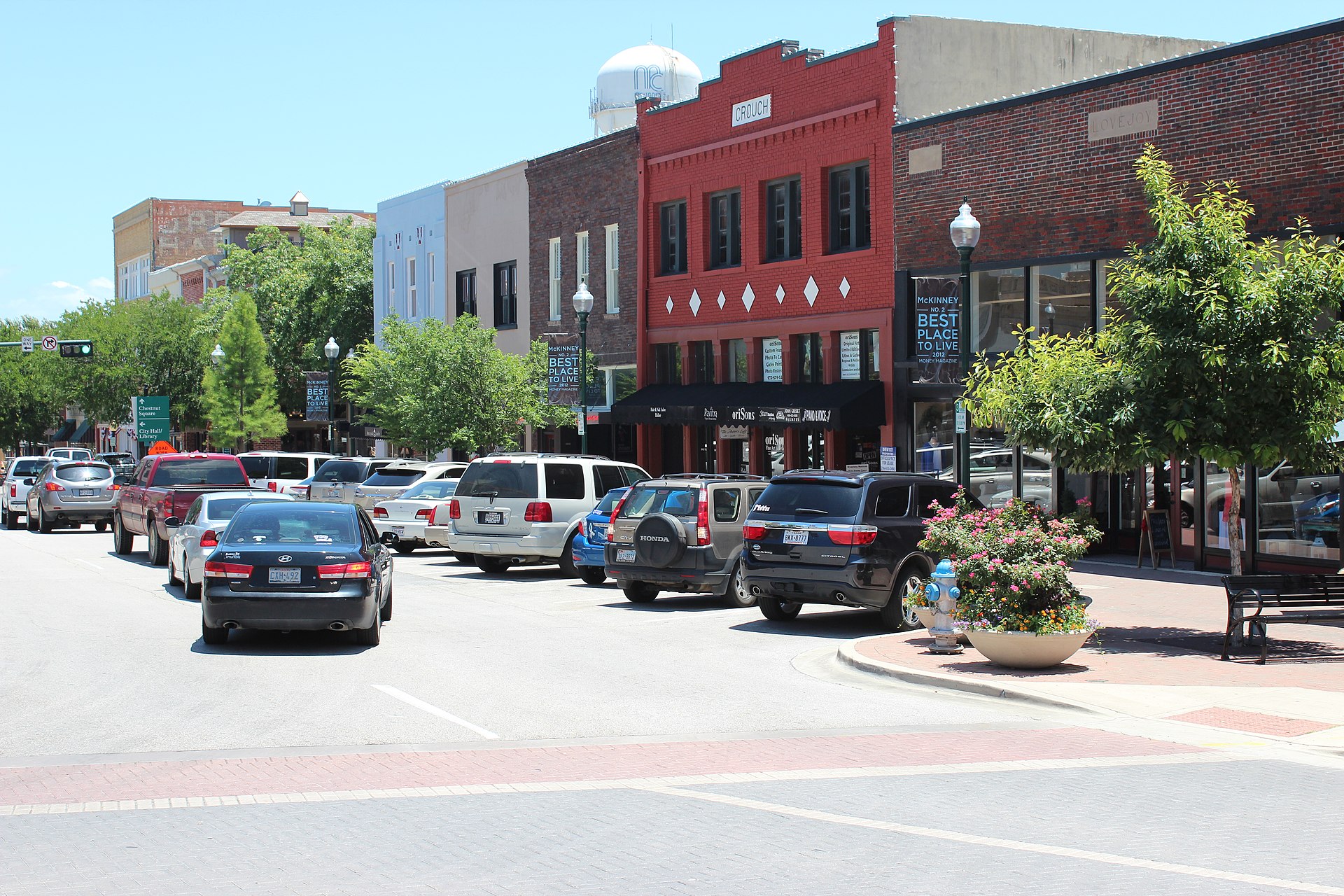
If you live in McKinney and dealing with lingering Long COVID symptoms, help is close by. Our Plano clinic—just 15 minutes south—offers advanced options including Stellate Ganglion Block, Epipharyngeal Abrasive Therapy, and vagus nerve stimulation. Many patients from McKinney, Prosper, and Melissa have already traveled to our clinic for individualized care.
long covid doctor mckinney

Why McKinney Patients Choose Our Clinic

The journey with Long COVID can feel isolating, especially when local healthcare providers lack the specialized experience needed to address complex, multi-system symptoms.
 
What sets our practice apart isn’t just proximity, although the convenient 15-minute drive from McKinney via US-75 South certainly helps.
 
It’s our comprehensive approach to this challenging condition called, Long COVID.

Advanced Treatment Options Under One Roof

 
Most primary care settings offer limited options for Long COVID management. Our clinic provides access to emerging and off-label therapies that have shown promise in clinical settings, including Stellate Ganglion Block procedures, innovative vagal nerve stimulation protocols, and targeted gut microbiome restoration programs.
 

Expertise Rooted in Understanding

 
As someone who has dedicated my practice to Long COVID care, I understand the frustration of being told your symptoms are “anxiety” or that you should “just wait it out.” Every patient receives a thorough evaluation that acknowledges the biological reality of post-viral illness.
 

Serving the Greater Collin County Community

 
Beyond McKinney proper, we regularly treat patients from Prosper, Melissa, Fairview, and other surrounding communities. The central Plano location provides convenient access for families throughout northern Dallas County and southern Collin County.

Symptoms We Treat

Long COVID manifests differently in each patient, but certain patterns emerge consistently in our McKinney patient population. Research shows that approximately 10% of COVID-19 patients develop persistent symptoms, with complex multi-system dysfunction requiring specialized intervention:
 
  • Post-Exertional Malaise and Chronic Fatigue: The overwhelming exhaustion that doesn’t improve with rest affects nearly every Long COVID patient I treat. This isn’t ordinary tiredness—it’s a biological dysfunction that can leave patients bedridden after minimal activity. Our long COVID treatment and symptom approach addresses this through mitochondrial support protocols and careful activity pacing strategies.

  • Cognitive Dysfunction (“Brain Fog”): Memory problems, concentration difficulties, and mental fatigue often prove more disabling than physical symptoms. Our approach targets neuroinflammation and autonomic dysfunction that contribute to cognitive impairment.

  • Respiratory and Cardiovascular Issues: Persistent cough, shortness of breath, and exercise intolerance reflect ongoing inflammation in respiratory and cardiovascular systems. We evaluate for dysautonomia and implement targeted interventions.

  • Autonomic Nervous System Dysfunction: Heart rate irregularities, blood pressure changes, temperature regulation problems, and digestive issues often cluster together in POTS (Postural Orthostatic Tachycardia Syndrome) presentations.

  • Mast Cell Activation and Histamine Intolerance: Many patients develop new food intolerances, skin reactions, and inflammatory responses. Our MCAS treatment protocols address underlying immune system dysregulation.

  • Mitochondrial and Metabolic Dysfunction: The cellular energy crisis underlying Long COVID requires specialized intervention targeting mitochondrial dysfunction and metabolic restoration.

Advanced Treatments Available

Stellate Ganglion Block (SGB)

 
This precise injection targets the stellate ganglion, a cluster of nerves in the neck that influences the sympathetic nervous system. While originally developed for other conditions, emerging evidence suggests SGB may help reset dysregulated autonomic function in Long COVID patients, with recent studies showing symptom improvement in 86% of treated patients.
 
The procedure involves injecting local anesthetic near the stellate ganglion under ultrasound guidance. Patients often report striking reductions in fatigue, memory problems, sleep difficulties, and anxiety following treatment. However, this represents off-label use, and individual responses vary significantly.


Epipharyngeal Abrasive Therapy (EAT) – Emerging Treatment

 
This novel approach addresses chronic inflammation in the nasopharyngeal area, which may serve as a viral reservoir in some Long COVID cases. EAT therapy involves controlled irrigation and gentle debridement of inflamed tissue.
 
Early clinical observations suggest improvements in anosmia (loss of smell), chronic cough, and overall symptom severity in select patients. This treatment remains investigational, and we carefully evaluate candidacy on an individual basis.
 

Vagus Nerve Stimulation (VNS) – Off-Label Application

 
The vagus nerve plays a crucial role in immune regulation and autonomic balance. We utilize non-invasive VNS techniques to potentially restore healthy vagal tone and reduce inflammation.
Patients may experience improvements in heart rate variability, digestive function, and inflammatory markers.
 
Clinical evidence suggests that modulating the autonomic nervous system through vagal stimulation can reduce symptoms of post-viral conditions similar to Long COVID. This represents an off-label application of established VNS principles to Long COVID care.
 

Comprehensive Metabolic Protocols

 
Beyond individual procedures, we implement systematic approaches to address:
 
  • Gut dysbiosis and microbiome restoration
  • Nutritional deficiencies and mitochondrial support
  • Mold and toxin exposure assessment
  • Hormonal balance optimization
  • Sleep architecture restoration

Getting to Our Plano Clinic from McKinney

Accessibility matters when you’re managing chronic illness symptoms. Our Plano location offers convenient access for McKinney families:
 
  • Direct Route via US-75 South The drive typically takes 12-15 minutes from central McKinney, following a straightforward path down US-75 South to the Parker Road exit. This route avoids complex downtown traffic patterns that could prove challenging for patients with cognitive symptoms or fatigue.

  • Serving Surrounding Communities Patients regularly travel from Prosper (10 minutes), Melissa (20 minutes), Allen (8 minutes), and Fairview (18 minutes). The central location provides reasonable access for most of Collin County.

  • Patient-Friendly Facilities Free on-site parking eliminates the stress and expense of downtown medical complexes. Our facility features comfortable waiting areas, private consultation rooms, and procedure suites designed with patient comfort in mind.

Patient Success Stories

“I consulted with Dr Groysman and then went to Texas for two SGB’s and four EATs back in June and July. It really did help when nothing the doctors prescribed here in Illinois helped at all. My fatigue, anxiety and brain fog are greatly reduced. The tinnitus has slightly improved.” – L.L.


“It was the most efficient and beneficial money I have spent. I wish I found Dr Groysman sooner. I wasted thousands of dollars on holistic Drs, hyperbaric chamber, supplements and infusions for temporary relief. Your choice, your life” – K.W.

These stories reflect the reality that Long COVID recovery often requires time, patience, and individualized care. Not every patient achieves complete resolution, but most experience meaningful improvements in quality of life and functional capacity.
long covid doctor mckinney

Frequently Asked Questions

Do you treat Long COVID patients from McKinney?
 
Absolutely. We regularly treat patients from McKinney, and many of our most successful cases come from Collin County communities. The drive to Plano is manageable for most patients, and we offer scheduling accommodations for those with severe fatigue or cognitive symptoms.
 
How far is the Plano clinic from McKinney?
 
Our clinic is approximately 15 minutes from central McKinney via US-75 South. The route is straightforward and avoids complex traffic patterns. We provide detailed directions and can assist with navigation concerns during your first visit.
 
What treatments are available for fatigue and brain fog?
 
These core Long COVID symptoms often respond to multi-modal approaches. We may recommend mitochondrial support protocols, autonomic nervous system regulation, targeted nutritional interventions, or procedures like stellate ganglion blocks or Epipharyngeal Abrasive Therapy. Each treatment plan is individualized based on thorough evaluation.
 
Do you accept patients from Prosper and Melissa?
 
Yes, we treat patients from throughout Collin County, including Prosper, Melissa, Fairview, and surrounding communities. Many of our patients appreciate the convenience of accessing specialized Long COVID care without traveling to downtown Dallas medical centers.
 
Can I book a telehealth consult if I live in McKinney?
 
Absolutely, we offer telemedicine options for the initial consultation. If you need treatment we’ll set up with an appointment at our clinic in Plano. Our team works with each patient’s individual limitations.
 
What should I expect during my first visit?
 
Plan for a comprehensive 60-90 minute evaluation covering your complete medical history, symptom timeline, previous treatments, and current functional status. We review all relevant records and may recommend initial laboratory studies. The goal is developing a clear understanding of your individual presentation and treatment options. Our four-step process ensures thorough evaluation and personalized care planning.
 
Do you accept insurance?
 
Insurance coverage for Long COVID treatments varies significantly. We provide detailed documentation for insurance submission and can discuss payment options during your consultation. Many patients find the investment worthwhile given the specialized nature of our care.
 
How quickly can I get an appointment?
 
We typically schedule new patient consultations within 2-3 weeks. For patients with severe symptoms, we maintain limited urgent appointment slots. Our scheduling team works to accommodate individual needs and timing constraints.

Take the Next Step Toward Recovery

If you live in McKinney and struggle with Long COVID symptoms, our Plano clinic offers hope, expertise, and proven treatment approaches just minutes from your home. Every patient’s journey is unique, but you don’t have to navigate this challenging condition alone.
 
The path to recovery often begins with a single phone call. Our experienced team understands the complexities of Long COVID and the frustration of unsuccessful treatments elsewhere. We’re here to listen, evaluate your individual situation, and develop a personalized treatment plan based on the latest scientific understanding.
 
Ready to explore your options?
 
  • Call (214) 390-7557 to speak with our front desk today
  • Request your consultation through our secure online booking system
  • Ask about tele-medicine options for initial consultation if that works best for you
 
Many McKinney families have already discovered that specialized Long COVID care is closer than they thought. Your recovery story could be next.

Key Takeaways

✓ McKinney residents can access advanced Long COVID care just 15 minutes south in Plano
Treatments include SGB, EAT, mitochondria and metabolic/gut protocols
Symptoms treated: fatigue, brain fog, POTS, cough, mast cell issues, an more
Serving McKinney, Prosper, Melissa, Allen, and greater Collin County
Same-day call scheduling and telemedicine intake available
Medical Disclaimer: Long COVID care is complex, and no single treatment works for everyone. Some therapies discussed represent off-label or emerging applications. All treatment options, including potential risks, benefits, and alternatives, are carefully reviewed during individual consultations. This information is for educational purposes and does not constitute medical advice for any specific individual.