
CIRS Treatment - Comprehensive Care for Chronic Inflammatory Response Syndrome
The Japanese Breakthrough: Science-backed protocol from targeted Long COVID recovery.
Quick Answer:
CIRS (Chronic Inflammatory Response Syndrome) is a multi-system inflammatory condition triggered by biotoxins, primarily mold in water, damaged buildings, affecting approximately 24% of the population with genetic susceptibility. Dr. Groysman offers comprehensive CIRS evaluation and treatment in Plano, Texas, using a multi-phase approach based on environmental assessment and remediation, toxin binding (cholestyramine), immune normalization, VIP nasal spray therapy, and supportive IV therapies. Treatment addresses the root cause persistent biotoxin exposure and inflammatory cascade, not just symptom management.

When Your Home Makes You Sick: Understanding CIRS
You’ve moved three times, but the symptoms follow. Brain fog making you feel like you’re thinking through cotton. Crushing fatigue no amount of sleep touches. Joint pain that migrates through your body. Sinus problems that never resolve. Your doctor ran tests, everything came back “normal,” and you were told it’s stress or anxiety.
But you know something is wrong. You feel worse in certain buildings. Symptoms improve when you travel, then return when you come home. You might have noticed a musty smell in your house or workplace, or maybe you haven’t noticed anything at all because not all water damage and mold growth is visible.
This pattern of multi-system symptoms, normal standard tests, connection to indoor environments, is the hallmark of CIRS, a condition where genetically susceptible individuals develop persistent inflammation in response to biotoxins, most commonly from water-damaged buildings.
At our clinic in Plano, Texas, Dr. Groysman provides comprehensive evaluation and treatment for CIRS, bringing expertise in post-viral inflammatory conditions and immune dysregulation. CIRS shares mechanisms with Long COVID, persistent inflammation, immune activation, multi-system dysfunction making Dr. Groysman’s approach particularly effective for these complex patients.
What is CIRS?
Chronic Inflammatory Response Syndrome (CIRS) is a multi-system, multi-symptom illness caused by exposure to biotoxins in water-damaged buildings. The condition was identified and defined by Dr. Ritchie Shoemaker, who developed diagnostic criteria and a comprehensive treatment protocol.
The defining features:
- Exposure to biotoxin-producing organisms (mold, bacteria, mycobacteria in water-damaged buildings)
- Genetic susceptibility preventing normal biotoxin clearance (HLA-DR gene patterns)
- Persistent inflammatory response even after exposure ends
- Multi-system symptoms affecting brain, lungs, muscles, gut, hormones, and more
- Normal standard laboratory tests despite significant illness
- Improvement with proper biotoxin removal and treatment
CIRS is not a psychological condition, not “just allergies,” and not something you can “tough out.” It’s a biological dysfunction where your immune system cannot properly clear certain toxins, leading to ongoing inflammatory activation that damages multiple body systems.
What Causes CIRS?
The Biotoxin Trigger – CIRS is primarily triggered by exposure to water-damaged buildings containing:
Mold and Mycotoxins:
- Stachybotrys (black mold)
- Aspergillus species
- Penicillium species
- Chaetomium
- Wallemia
- Multiple mold species simultaneously (common in water damage)
Bacteria and Endotoxins:
- Actinobacteria
- Gram-negative bacteria producing endotoxins
- Mycobacteria
Beta-Glucans:
- Fragments from fungal cell walls
- Inflammatory immune triggers
Volatile Organic Compounds (VOCs):
- Microbial volatile organic compounds (MVOCs) from microbial metabolism
- Off-gassing from water-damaged materials
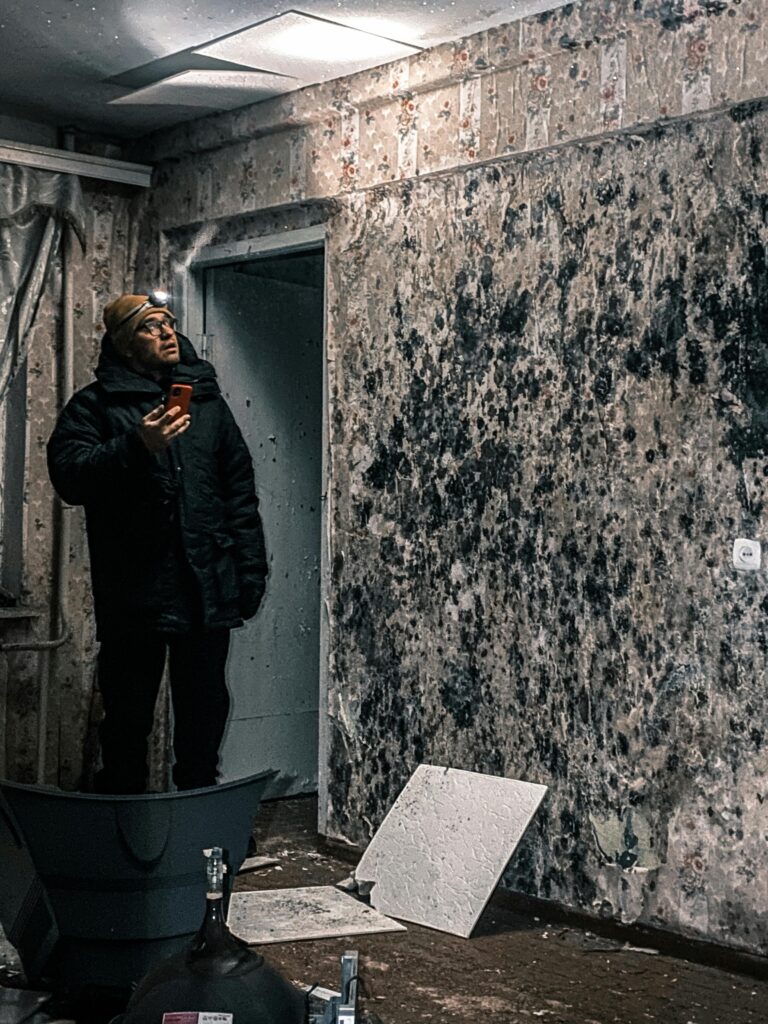
Water damage doesn’t always mean visible mold. Hidden growth behind walls, under flooring, in HVAC systems, or above ceiling tiles can release biotoxins into indoor air without obvious signs.
The 13 Recognized Symptom Clusters (Shoemaker Criteria)
1. Fatigue
2. Weakness
3. Aches
4. Unusual Pain
5. Cramping
6. Numbness and Tingling
7. Headache
8. Light Sensitivity
9. Red Eyes and Blurred Vision
10. Cough, Asthma, Shortness of Breath
11. Abdominal Pain, Nausea, Diarrhea
12. Joint Pain and Morning Stiffness
13. Memory Problems and Confusion
Additional Common Symptoms – Beyond the 13 clusters, CIRS patients often experience:
- Temperature regulation problems (unusually cold or hot)
- Excessive thirst (polydipsia)
- Increased urination (polyuria)
- Static shocks and electrical sensitivity
- Night sweats
- Mood changes (anxiety, depression)
- Insomnia or disturbed sleep
- Vertigo and balance problems
- Tremors
- Skin rashes or unusual sensations
Patterns That Matter
CIRS is not just having a few of these symptoms. It’s experiencing symptoms across multiple clusters, fatigue plus brain fog plus joint pain plus sinus issues plus digestive problems, in a way that doesn’t fit a single diagnosis.
Many CIRS patients have been diagnosed with fibromyalgia, chronic fatigue syndrome, irritable bowel syndrome, or told their symptoms are psychosomatic. These are descriptions of symptoms, not explanations of the underlying cause.

Diagnosing CIRS Beyond Standard Testing
The Visual Contrast Sensitivity (VCS) Test
What It Is: The VCS test measures your ability to detect subtle differences in contrast, testing neurological function affected by biotoxin exposure.
How It Works: Biotoxins affect small nerve cells (particularly optic nerve pathways) before larger nerves, causing measurable deficits in visual contrast detection. The test presents patterns of varying contrast and measures your ability to distinguish them.
The Role of VCS in Diagnosis:
- 92% of CIRS patients fail VCS testing
- Online test available for screening (survivingmold.com)
- Abnormal VCS supports CIRS diagnosis in context of symptoms and exposure
- Not definitive alone but valuable supporting evidence
CIRS Biomarker Testing
Unlike standard tests (which are often normal in CIRS), specific biomarkers reveal inflammatory cascades.
Here are the Core CIRS Biomarkers:
- C4a (Complement Component 4a)
- TGF-beta1 (Transforming Growth Factor Beta-1)
- MMP-9 (Matrix Metalloproteinase-9)
- VEGF (Vascular Endothelial Growth Factor)
- MSH (Melanocyte Stimulating Hormone)
- HLA-DR Genetic Testing
Environmental Testing
Effective CIRS treatment requires removing ongoing biotoxin exposure.
- ERMI (Environmental Relative Moldiness Index)
- HERTSMI-2 (Health Effects Roster of Type-Specific Formers of Mycotoxins and Inflammagens – 2nd Version)
- Professional Inspection (Qualified mold inspector can identify issues)
Important: Not all mold testing companies are equal. Work with inspectors experienced in CIRS and water-damaged buildings who understand the health implications.

Who Should Consider CIRS Evaluation?
You’re Experiencing Multi-System Symptoms:
- Experiencing symptoms across multiple categories (fatigue, brain fog, pain, sinus issues, digestive problems)
- Symptoms don’t fit a single diagnosis
- Told you have fibromyalgia, chronic fatigue syndrome, or “medically unexplained symptoms”
- Standard tests are “normal” but you feel terrible
Environmental Connection:
- Live or work in water-damaged building
- History of water damage, flooding, leaks, or visible mold
- Symptoms worse in certain buildings
- Improvement when away from home or workplace
- Musty odors or visible signs of water damage
Treatment-Resistant Symptoms:
- Standard treatments for individual symptoms don’t help
- Medications provide minimal relief
- Symptoms have persisted for months or years
- Progressive worsening despite medical care
Post-Viral or Post-COVID Symptoms:
- Long COVID symptoms that overlap with CIRS
- Viral illness triggered worsening of underlying CIRS
- Multi-system inflammation without clear cause
Genetic Risk:
- Family history of “mold sensitivity”
- Relatives with similar unexplained multi-system illness
- HLA-DR gene testing showing susceptibility patterns
What to Expect: CIRS Evaluation and Treatment Journey
We start with an intitial assessment which may include:
- Complete symptom inventory
- Physical Examination
- VCS Testing
- Biomarker Panel
- HLA-DR Genetic Testing
- MARCoNS Testing
- Environmental Assessment Guidance
Treatment is tailored to:
- Symptom severity
- Biomarker abnormalities
- Environmental situation
- Patient goals and resources
- Coexisting conditions
CIRS treatment takes months, not weeks.

Personalized Care with Dr. Groysman
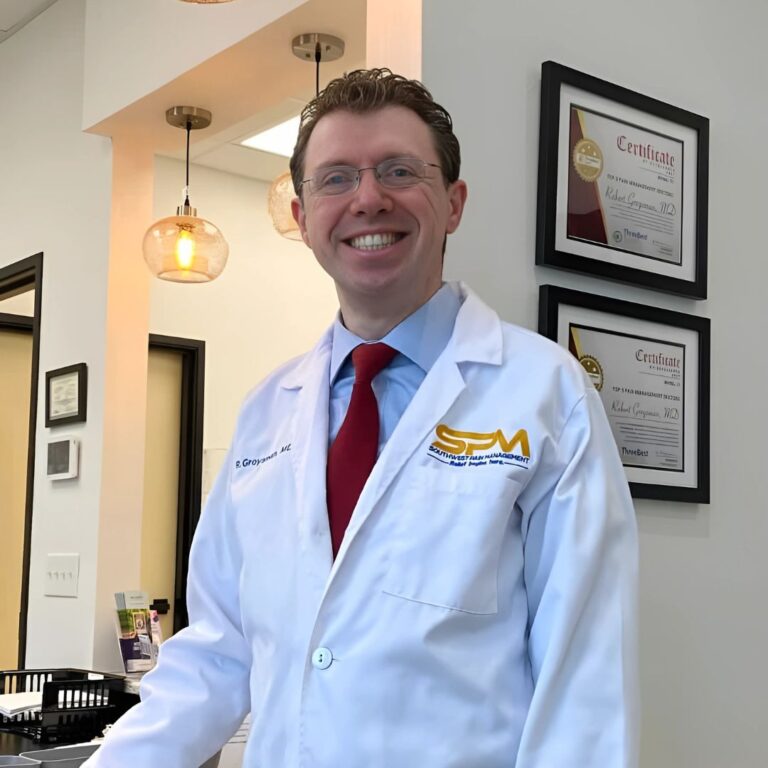
Dr. Groysman has treated thousands of Long COVID patient using his multi-mechanism management protocol.
Whether triggered by virus or biotoxin, persistent inflammatory conditions require:
- Removing the ongoing trigger
- Reducing inflammatory activation
- Supporting cellular recovery
- Normalizing dysregulated systems
- Individualized, patient-centered care
Dr. Groysman’s expertise in post-viral inflammatory syndromes positions him to recognize and treat these complex overlapping conditions.
Patient Success Stories
Severe Fatigue Recovery
“Dr. Groysman, you are amazing and after getting SGB (both sides) and one EAT, I’ve been continually recovering over the past 5 months. I got LC in March, 2020 and had tremendous fatigue, mostly bed bound, which ruined my life. My immune system was non-existant.” – AEB 12/2024
Singer Recovers Voice
UPDATE: My daughter is a singer and worked with her voice coach yesterday for the first time since her SGB and EAT 2 weeks ago. I got this message from her voice coach today: “I’m so excited to see where these treatments take her. Her voice is already coming back to the way it was. I know it’s hard to tell for you guys probably, but when she started with all of this her range dropped, became super airy in her tone, breath support etc. Yesterday there was already so much more tone!” – J.L. 8/2024
39-Month Journey Ends
“Thank you Dr. Robert for being one big step on my son’s recovery. Today he finally back to his normal happy and energetic, can get up at 7 and go to his hobby Robotics club. It was 39 months journey with more than 50 doctors/therapists. The EAT procedures were able to rid of all the focal inflammation , so he was able to further progress to get rid of the POTS PEM and chronic fatigue. Merry Christmas to you and your team , and all people here ! Do not give up , human body are so magic , we should all be able to heal !” – SS 12/2024
CIRS FAQ's
CIRS is a clinical diagnosis requiring the combination of:
– Multi-system symptoms across the 13 clusters
– History of exposure to water-damaged buildings
– Abnormal biomarkers (C4a, TGF-beta1, VCS testing, etc.)
– HLA-DR genetic susceptibility (optional but supportive)
– Exclusion of other conditions
No single test confirms CIRS, but the pattern, symptoms plus exposure plus biomarkers plus genetic susceptibility, creates a clear picture. This is similar to many conditions (like fibromyalgia or chronic fatigue syndrome) diagnosed based on clinical criteria rather than one definitive test.
This is the hardest truth in CIRS treatment: medical interventions rarely succeed with ongoing exposure.
Cholestyramine removes circulating biotoxins, but if you’re inhaling new toxins daily, you’re fighting a losing battle. It’s like bailing water from a boat while someone keeps pouring more in.
Options if you cannot immediately remediate:
– Focus on reducing exposure (air purifiers, dehumidifiers, avoiding worst areas)
– Consider temporary relocation during initial treatment
– Begin binder therapy to reduce toxin burden while planning remediation
– Understand that full recovery will require eventually eliminating the source
Cholestyramine is the most studied and effective binder for CIRS, but alternatives exist:
Welchol (colesevelam):
– Better tolerated (fewer GI side effects)
– More expensive
– Some patients respond as well as to cholestyramine
Activated charcoal:
– Over-the-counter option
– Less effective than prescription binders
– May help some patients who cannot tolerate CSM
Bentonite clay:
– Natural binder
– Limited research in CIRS specifically
– Some practitioners use as adjunct or alternative
The goal is binding and removing biotoxins. Cholestyramine has the most evidence, but individual tolerance and response guide choices.
CIRS can relapse with new mold exposure because genetic susceptibility remains. Once successfully treated:
Preventing relapse:
– Avoid water-damaged buildings (inspect homes before moving)
– Address water intrusion immediately (don’t let leaks sit)
– Maintain low indoor humidity (<50%)
– Regular HVAC maintenance
– Awareness of symptoms returning
If re-exposed:
Some patients need repeat cholestyramine courses or resume VIP if symptoms return after new exposure. Genetic susceptibility means lifelong vigilance about indoor environmental quality.
Mold allergy (IgE-mediated):
– Immediate hypersensitivity reaction
– Sneezing, runny nose, itchy eyes when exposed
– Positive allergy testing (skin prick or IgE blood tests)
– Responds to antihistamines and allergy medications
– Symptoms resolve quickly when exposure ends
CIRS (biotoxin illness):
– Innate immune dysfunction (not allergy)
– Multi-system symptoms (fatigue, pain, brain fog, etc.)
– Delayed response to exposure
– Normal allergy tests
– Does not respond to antihistamines
– Requires biotoxin removal and immune reset
– Symptoms persist even after exposure ends (until treated)
You can have both mold allergy and CIRS, but they’re different mechanisms requiring different treatments.
Chronic sinus congestion is common in CIRS, but underlying cause is biotoxin-induced inflammation, not structural sinus problems.
ENT evaluation may be appropriate if:
– Severe structural abnormalities (polyps, deviated septum)
– Recurrent bacterial sinus infections requiring antibiotics
– Uncertainty about anatomical contribution
CIRS sinus treatment:
– Address the root cause (biotoxin removal, cholestyramine)
– Eradicate MARCoNS if present
– Nasal irrigation with saline
– Anti-inflammatory support
– VIP nasal spray (final phase) often dramatically improves chronic sinus symptoms
Sinus surgery rarely helps CIRS patients because the problem is inflammatory, not structural.
It does not. There is no CPT code to bill even for this procedure.
Environmental testing (ERMI or HERTSMI-2) is valuable but not always required before starting evaluation. Here’s the approach:
- If you have visible mold, water damage history, or musty smells, testing confirms what you likely already know
- If environmental connection is unclear, testing can identify hidden sources
- Professional inspection is often more immediately useful than dust sampling
If you have CIRS, ongoing mold exposure must stop for treatment to work. Testing helps guide remediation but doesn’t change the fundamental need for a safe environment.
Realistic timeline:
- Cholestyramine phase: 3-6 months (sometimes longer)
- Biomarker normalization: 6-12 months through the protocol
- VIP therapy: 6-12 months once started
- Total: 12-24 months for comprehensive treatment
Variables affecting timeline:
- Severity of illness
- Success of environmental remediation
- Presence of MARCoNS or coinfections
- Genetic factors
- Individual response to treatments
- Complexity of biomarker abnormalities
Some patients notice improvement within weeks; others require many months. CIRS developed over time and requires time to reverse.
VIP is the final phase of the protocol and highly effective for persistent symptoms after earlier steps. However:
You may not need VIP if:
- Symptoms resolve with environmental remediation and cholestyramine alone
- Biomarkers normalize and symptoms improve sufficiently
- You achieve functional recovery without VIP
VIP is most beneficial when:
- Shortness of breath and exercise intolerance persist
- Sleep remains poor despite other improvements
- Gut symptoms continue
- You’ve completed earlier protocol steps with partial but incomplete response
At $300-400 monthly, VIP is expensive. It should be started only when:
- Environment is safe
- MARCoNS eradicated
- Biomarkers normalized
- You’re stable and ready to progress
Yes, children can develop CIRS from water damaged buildings, and the condition can be particularly devastating during developmental years.
Pediatric CIRS symptoms:
- Attention and learning problems
- Behavioral changes
- Chronic fatigue affecting school performance
- Recurrent infections
- Growth and developmental delays
- Mood and anxiety problems
Children may not articulate symptoms clearly, leading to misdiagnosis as ADHD, behavioral disorders, or learning disabilities.
The protocol can be adapted for children with appropriate medication dosing and supportive care. Environmental remediation is especially critical for children’s developing bodies.
Take The Next Step
If you’re experiencing multi-system symptoms that don’t fit a single diagnosis, have a history of water-damaged building exposure, and standard tests keep coming back “normal,” CIRS evaluation may provide the answers you’ve been seeking.
CIRS is a real biological condition with identifiable mechanisms and evidence-based treatment. You’re not crazy, it’s not just stress, and there are effective interventions when properly diagnosed and systematically treated.
Dr. Groysman offers specialized CIRS evaluation in Plano, Texas, bringing expertise in complex inflammatory conditions and immune dysfunction.
Schedule a consultation to explore whether your symptoms may represent CIRS and discuss comprehensive evaluation and treatment options.
Disclaimer: This information is for educational purposes and does not constitute medical advice. CIRS diagnosis and treatment require comprehensive clinical evaluation by a qualified physician familiar with biotoxin illness and the Shoemaker Protocol. Not all multi-system symptoms are caused by CIRS, and thorough evaluation is needed to rule out other conditions. Environmental remediation can be complex and expensive, and treatment success depends significantly on achieving a safe indoor environment. Treatment protocols, including cholestyramine, VIP, and other interventions, carry risks and are not appropriate for all patients. The Shoemaker Protocol represents current understanding based on Dr. Shoemaker’s research and clinical experience, though some aspects remain debated in conventional medicine. Individual results vary, and not all patients achieve complete symptom resolution. Medical knowledge evolves continuously, and treatment approaches are refined as new research emerges.